Tooth pain often starts quietly, maybe with a bit of sensitivity to sweets or a slight twinge when you drink something cold. However, when that ache becomes persistent, it may be a sign of something more serious lurking beneath the surface: a deep cavity.
At Dr. Roshan’s Dental Clinic in Mulund East, many patients visit after trying to ignore mild discomfort for weeks. By then, the decay has reached the inner layers of the tooth, sometimes making a root canal treatment in Mulund East the best way to save it.
So, what exactly is a deep cavity? How does it form, and what can be done to treat it before it becomes worse? Let’s explore these questions one step at a time.
Understanding What a Deep Cavity Is
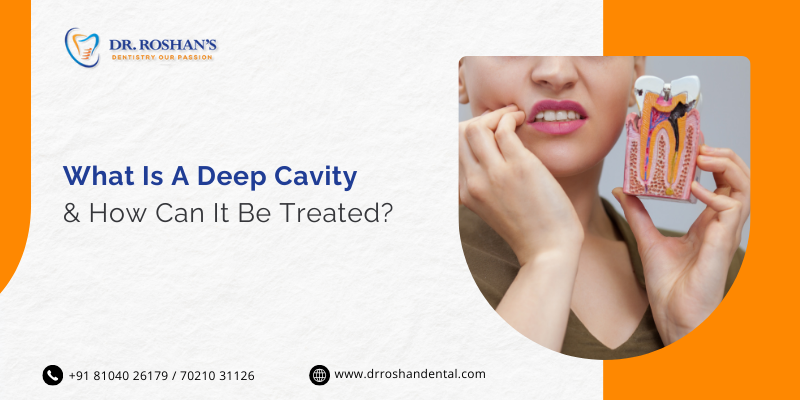
A cavity begins when bacteria in your mouth produce acids that eat away at the tooth’s outer layer, the enamel. If it’s not treated early, the decay travels deeper into the dentin, the layer beneath the enamel. When it continues, it reaches the pulp, the soft center of the tooth that contains nerves and blood vessels.
A deep cavity means the decay has gone close to, or has already affected, this inner nerve tissue. At this point, the tooth becomes extremely sensitive and may hurt when you chew, drink something hot or cold, or even when you apply slight pressure.
You might also notice:
- Pain that lingers after eating or drinking
- Swelling in the gum near the affected tooth
- Dark spots or visible holes on the tooth surface
- A foul taste or bad breath due to infection
Once the infection reaches the pulp, simple fillings are no longer enough. The tooth now requires more advanced care.
Why Treating a Deep Cavity Quickly Is Important
When decay gets this far, it can cause not just a toothache but also inflammation in the surrounding tissues. If left untreated, the infection may spread to the root tip and potentially into the jawbone.
Some people try to delay treatment because the pain subsides temporarily. However, this relief is often because the nerve inside the tooth has died, not because the infection has been eradicated. Without prompt treatment, the disease can worsen, causing swelling, pus formation, and even tooth loss.
Acting early saves both the tooth and unnecessary expenses in the long run.
How a Deep Cavity Is Treated
At Dr. Roshan’s Dental Clinic, the treatment depends on the extent of the decay and how much of the tooth can still be saved.
1. Dental Filling
If the cavity has reached the dentin but has not yet damaged the pulp, a filling can usually resolve the problem. The dentist removes the decayed part, thoroughly cleans the area, and fills it with a strong material, such as composite resin. This restores the tooth’s structure and prevents bacteria from spreading deeper.
2. Pulp Capping or Partial Pulp Therapy
If the decay is close to the pulp but the nerve is still healthy, the dentist might use a special medicated layer over the exposed area before sealing the tooth. This encourages healing and prevents infection.
3. Root Canal Treatment
If the decay has reached or infected the pulp, a root canal treatment becomes necessary. This involves removing the infected nerve tissue, disinfecting the canals, and sealing them to prevent reinfection. Finally, a crown is placed over the tooth to restore strength and appearance.
Modern root canal treatment in Mulund East at Dr. Roshan’s Dental Clinic is far more comfortable than it used to be. With the use of rotary instruments and digital imaging, the treatment is quicker, more precise, and almost painless.
4. Tooth Extraction (Only When Necessary)
If the tooth is too damaged to save, extraction may be the last option. However, dentists always try to preserve the natural tooth whenever possible because it maintains proper chewing and jaw alignment.
What Determines the Treatment Approach
Each case is different, and your dentist will evaluate several factors before deciding the best plan.
These include:
- How deep the decay has gone
- Whether there is an infection or swelling
- The strength of the remaining tooth structure
- Your overall oral health and medical history
Digital X-rays or 3D scans are often used to assess the proximity of decay to the pulp. Based on this, the dentist discusses all possible options with you before starting treatment.
What Affects the Cost of Treatment
The total cost of treating a deep cavity can vary depending on a few things:
- The type of tooth affected. Front teeth typically have one root canal, while molars have multiple root canals.
- The extent of decay or infection. More complex cases require additional cleaning and medication.
- Whether a crown is needed afterward and what material is chosen.
- The tools and technology used during the procedure.
Advanced dental clinics that utilize rotary instruments and digital imaging may charge slightly higher fees, but the accuracy and comfort they offer often make the investment worthwhile.
How to Prevent Deep Cavities
Prevention is always better than a cure, especially in dentistry. You can avoid deep cavities with a few consistent habits:
- Brush twice daily using fluoride toothpaste.
- Floss daily to remove food particles between your teeth.
- Limit sugary foods and soft drinks that feed bacteria.
- Drink plenty of water to help wash away acids.
- Visit your dentist every six months for regular checkups and professional cleanings.
Early detection enables dentists to treat minor decay before it develops into a deep cavity that requires extensive procedures.
Frequently Asked Questions
- Can a deep cavity heal on its own?
No, once a cavity has formed, it cannot heal naturally. The decay needs to be cleaned and filled by a dentist to prevent it from spreading further.
- Is a root canal painful?
Modern root canal treatments are not painful. With local anesthesia and advanced equipment, most patients feel comfortable and often surprised at how smooth the experience is.
- How long does it take to recover after a root canal?
Most patients can resume normal activities the same day. Mild soreness may occur for a day or two, but usually settles quickly with proper care.
- How long does a root canal-treated tooth last?
With good oral hygiene and a proper crown, a root canal-treated tooth can last many years, often for a lifetime.
- Can deep cavities be prevented in children?
Yes. Encourage regular brushing, reduce sticky snacks, and schedule routine dental visits to detect early signs of decay.
A Healthier Tooth, A Happier Smile
A deep cavity may sound serious, but with prompt attention, it doesn’t have to mean losing your tooth. Acting early can save you from pain, infection, and unnecessary expenses in the future.
At Dr. Roshan’s Dental Clinic in Mulund East, every patient receives focused care that combines precision, comfort, and honesty. The clinic’s approach ensures you understand the problem, the procedure, and the cost before any treatment begins.
If you are experiencing tooth pain or sensitivity, do not ignore it. Schedule a consultation today and discover how expert care, including root canal treatment in Mulund East, can restore your comfort, confidence, and smile for the long run.